
Who this is for: HR heads and L&D managers at companies with several plants or offices, where new joiners often have very different first weeks.
The business problem: onboarding that loses people early
HR teams carry a lot of responsibility in a new hire's first weeks, from the paperwork to the training modules. The aim is to set each person up to succeed. In practice, traditional onboarding is often tedious and slow. New hires sit through long training sessions and fill in forms for hours. Their enthusiasm drops, and they come away with little real understanding of the company's culture.
HR leaders describe three problems that follow:
- Low engagement. Long sessions and forms do little to hold attention. Disengaged new hires are less likely to stay, and they take longer to become productive.
- Turnover that is hard to predict. HR teams often learn that a new hire is unhappy only when they resign. By then it is too late to act.
- An uneven first week. With people in different plants, offices or homes, new joiners can have very different experiences. Without a standard process, remote joiners feel disconnected.
What a good first week needs
New hires should understand the company's story and values, know the products, meet the people they will work with, and finish the policy and safety basics. Traditional onboarding covers these with slides and forms. A modern approach also appeals to candidates who look for innovative, inclusive workplaces, so it supports your employer brand as well as retention. The two approaches below cover the same content in a way people take part in.
What to do: two ways to fix it
Onboarding in virtual environments
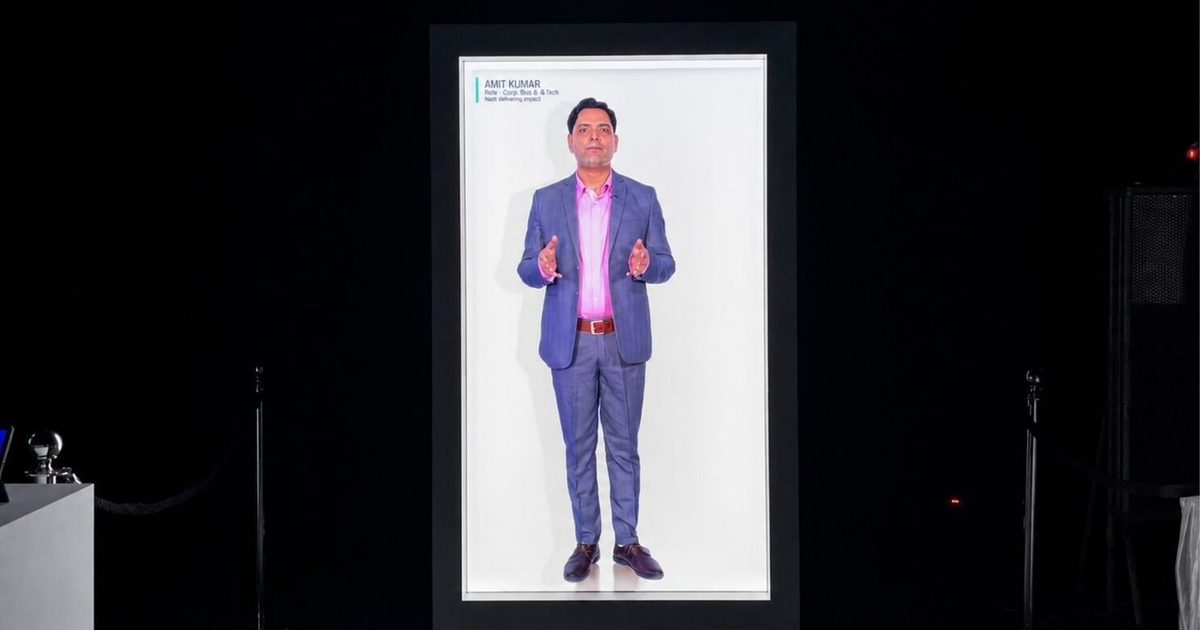
This approach introduces new hires to the company's culture, values and processes inside a 3D environment. New joiners meet colleagues as avatars, explore a virtual version of the office and learn about the company's mission through activities rather than slides. They can also meet and talk to senior leaders virtually from day one, which shows that the company is open and accessible. Colleagues from different sites can meet in a shared space to solve problems together.
A gamified onboarding platform
Gamification turns information into tasks, challenges and rewards. A gamified onboarding platform gives every new hire the same experience from day one, wherever they are. It also gives HR data. The platform tracks interactions, engagement and performance through the onboarding journey, and the time each hire spends on it feeds reports that help predict behaviour such as churn. That data shows where the process needs work and helps you improve it for each intake.
Both ways can run together. You can see how we build them on our employee onboarding and gamified learning pages.
What other companies' programmes show
The examples below are other companies' work, not Metaverse911 projects. They come from our LinkedIn Live sessions and from talks by Rrahul Sethi.
Zydus Wellness
Saurabh Sharma, Head, Corporate HR, L&OD at Zydus Wellness, shared the company's experience of gamified onboarding with us. Zydus Wellness built its programme with constant feedback from teams and new hires, who evaluated each version and shaped what was added next. It has three parts:
- An interactive mascot: Zylo, the company mascot, guides new hires through the brand and its product range.
- Gamified modules: each learning module is a game, and employees collect coins for completing tasks.
- Leaderboards and perks: leaderboards create friendly competition, and HR leaders can track performance and offer perks for reaching targets.
Zydus Wellness reported that employees felt more engaged and motivated, and that the game elements helped them retain information. Aditya Birla Capital, Corob and ESAB have also gamified their onboarding and training. They teach through competitive games instead of videos.
Imarticus Learning
Imarticus Learning offers an onboarding solution that lets HR leaders build game-based modules. Some are set in a virtual replica of the office, where new hires explore the brand story and products.
Siemens and Bosch
Siemens built a virtual tour of one of its industrial facilities, with information on EHS concepts. It later grew into a timed virtual escape game in which users apply what they learned to escape a fire emergency. Siemens uses it for onboarding in lifelike workplace surroundings, workplace instructions and EHS training with built-in quizzes. Bosch rebuilt its onboarding around "A Day in their Lives", a virtual world where new employees try the latest products and technology hands-on.
The lesson for a manufacturer is the same in each case. Put new joiners in a realistic setting, give them something to do, and measure what they do. Start with the content every joiner must learn: the company story, products, policies and safety basics. Turn each module into a task with a clear reward, such as coins or points. Then use the data on time spent and progress to spot joiners who are falling behind.
Advice from Rrahul Sethi
Rrahul Sethi has seen the same adoption problems come up repeatedly. The technology is rarely the obstacle. The difficult parts are knowing where to start, choosing a platform and bringing people along. His advice is to treat virtual onboarding as a project that needs a plan. These seven steps help it work from the first cohort:
- Try it yourself first. Spend time in virtual worlds, play games and attend events. You will understand what your new hires will experience.
- Understand the concept. Research what virtual environments can and cannot do for onboarding, and keep up with developments.
- Set clear objectives. Decide whether the priority is building a sense of community, teaching specific skills or creating an immersive learning experience.
- Choose a platform. Compare features and pick the one that fits your company's needs.
- Build your presence. Create avatars for team members, a virtual office or workspace, and a branded company space.
- Plan how people will learn the platform. Choose between live virtual training, a written user guide or self-guided exploration, and give everyone the resources to feel comfortable.
- Make it interactive, then ask for feedback. Add team-building activities, icebreakers and games, then ask what works and adjust the programme.
He also advises staying adaptable, because the technology is still taking shape, and using the spaces to engage employees, not to monitor and control them.
How to apply it in your organisation
- Map the first weeks of a new hire's journey and pick the most passive parts today, such as policy videos or product introductions.
- Turn those parts into short games or challenges, with points and a leaderboard.
- Add a virtual welcome from senior leaders and a team activity that brings joiners from different sites together.
- Decide what you will measure, such as completion, scores and time spent, and review it after each intake.
- Start with one use where engagement is weakest, measure it, and expand from there.
Next step
If you are planning onboarding for new joiners across several plants or offices, talk to our team about interactive and VR-based onboarding that gives every joiner the same first week.
First published on the Metaverse911 blog.
Frequently asked questions
Why does traditional onboarding lose new hires?
It is often tedious and slow. New hires sit through long training sessions and fill in forms for hours, their enthusiasm drops, and they learn little about the company's culture. Disengaged new hires are less likely to stay and take longer to become productive.
How can onboarding be the same across several plants?
A gamified or virtual programme gives every new hire, wherever they are, the same experience from day one. Supervisors and HR can track participation and scores for each intake and improve the programme.