
“Having our tractors in 3D, with AR stories for each model, gave our experience centre far more to show than a physical line-up ever could.”
TAFE
Read the TAFE case study

Scan a QR code or marker with a phone or tablet and your product appears in the real room at actual size. Your sales team carries the full product range in their pocket, at the booth, in the dealer showroom or at the customer's plant.
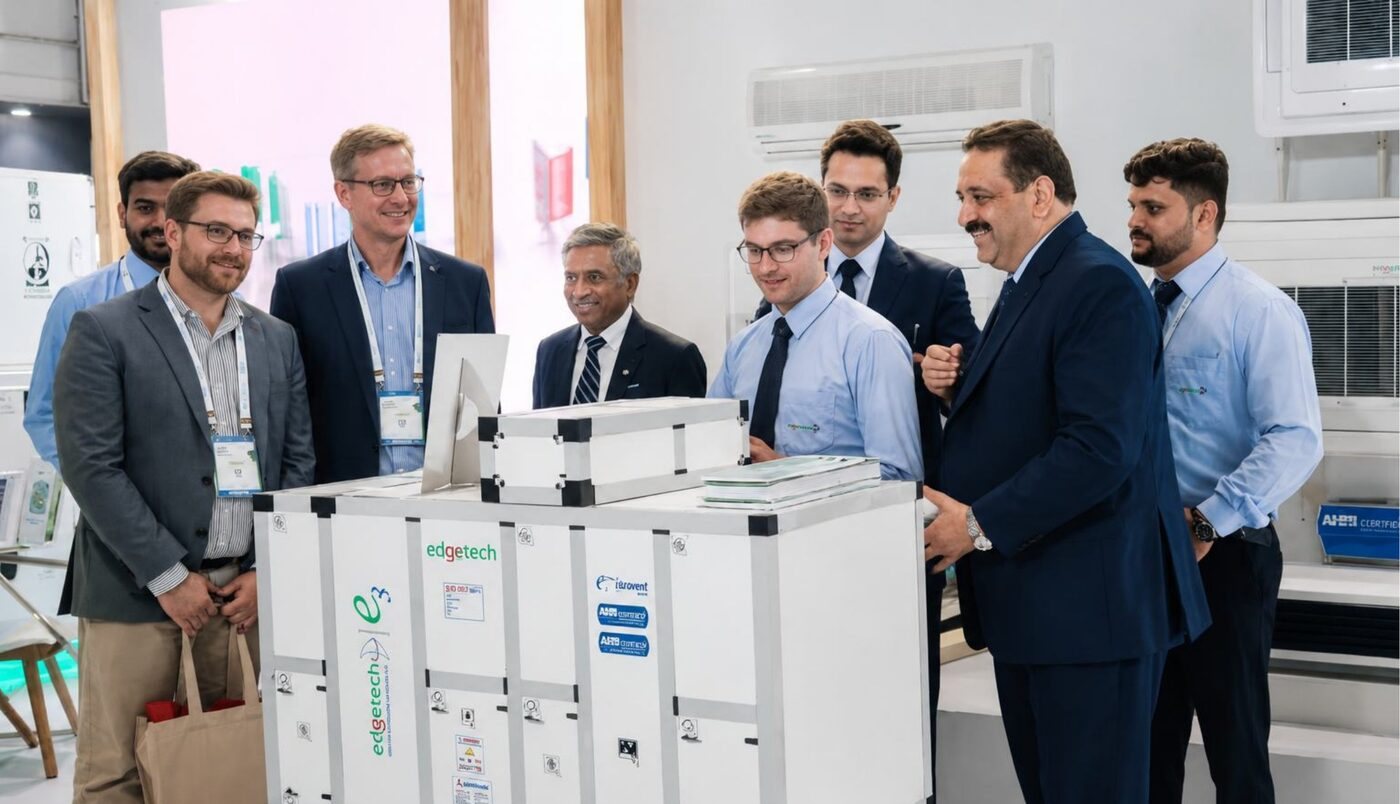
Used by: Edgetech (AHU units at ACREX 2026), TAFE (19 tractor models with AR stories).
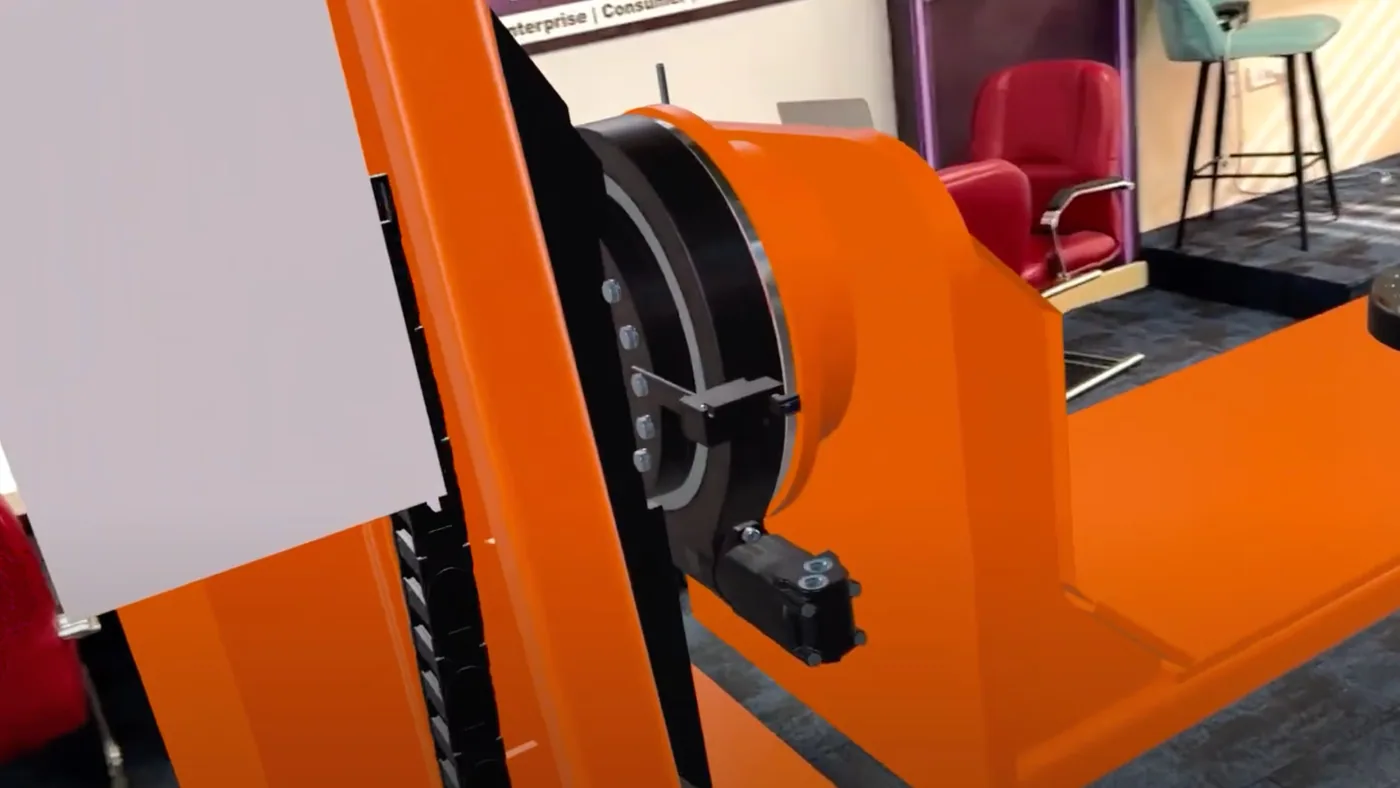
Augmented reality (AR) places a 3D model of your product into the real world through the camera of a phone or tablet. The viewer scans a QR code or marker, and the machine appears on the floor or table at 1:1 scale. They can walk around it, tap hotspots to see features and animations, and open spec sheets.
You can try AR product visualisation at our Experience Center in Noida before you invest.
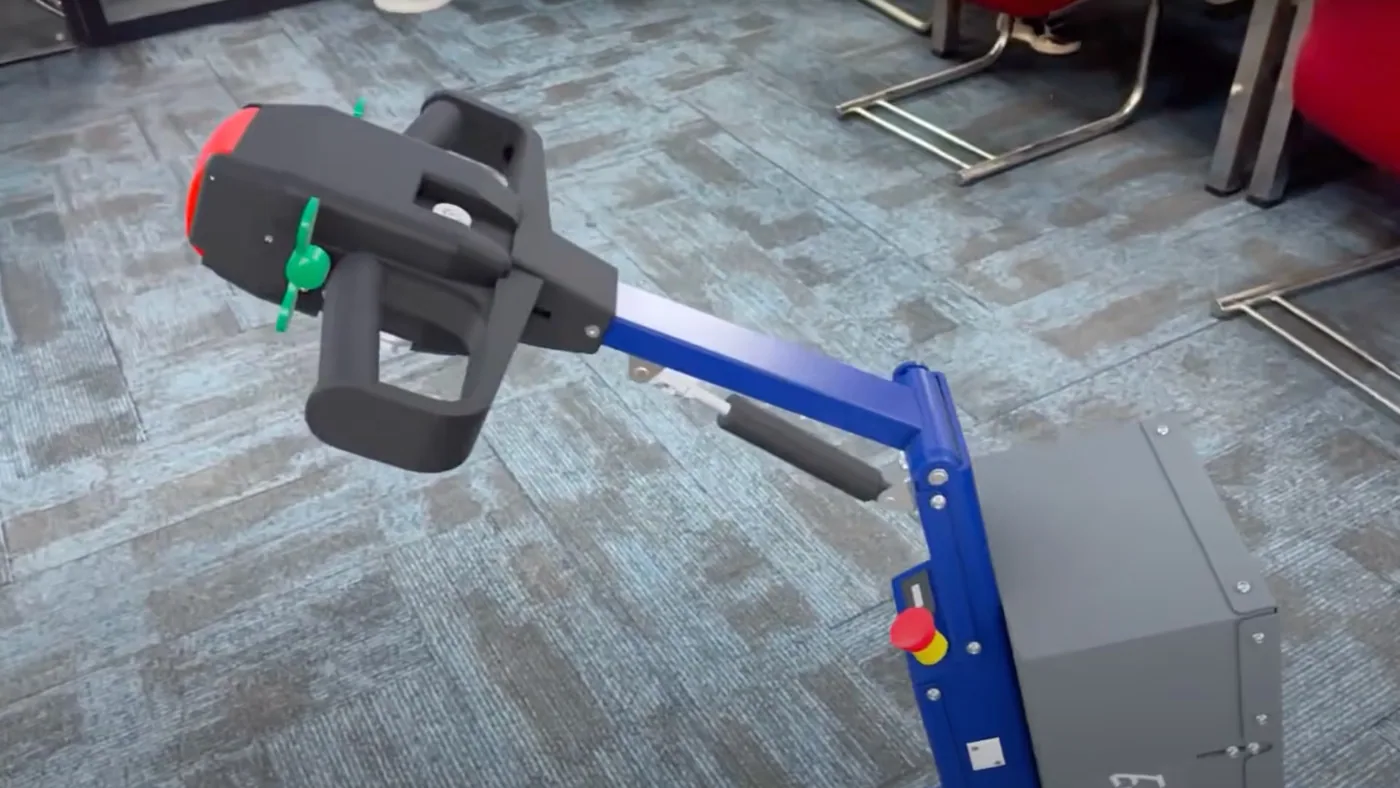
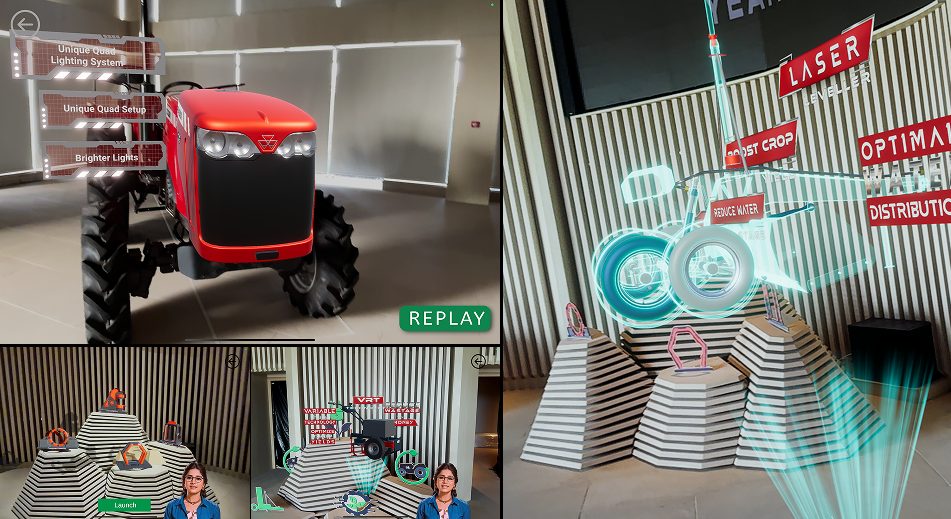
Edgetech used AR to show its AHU units at ACREX 2026. TAFE built an AR-powered experience center with 19 tractor models and AR stories.
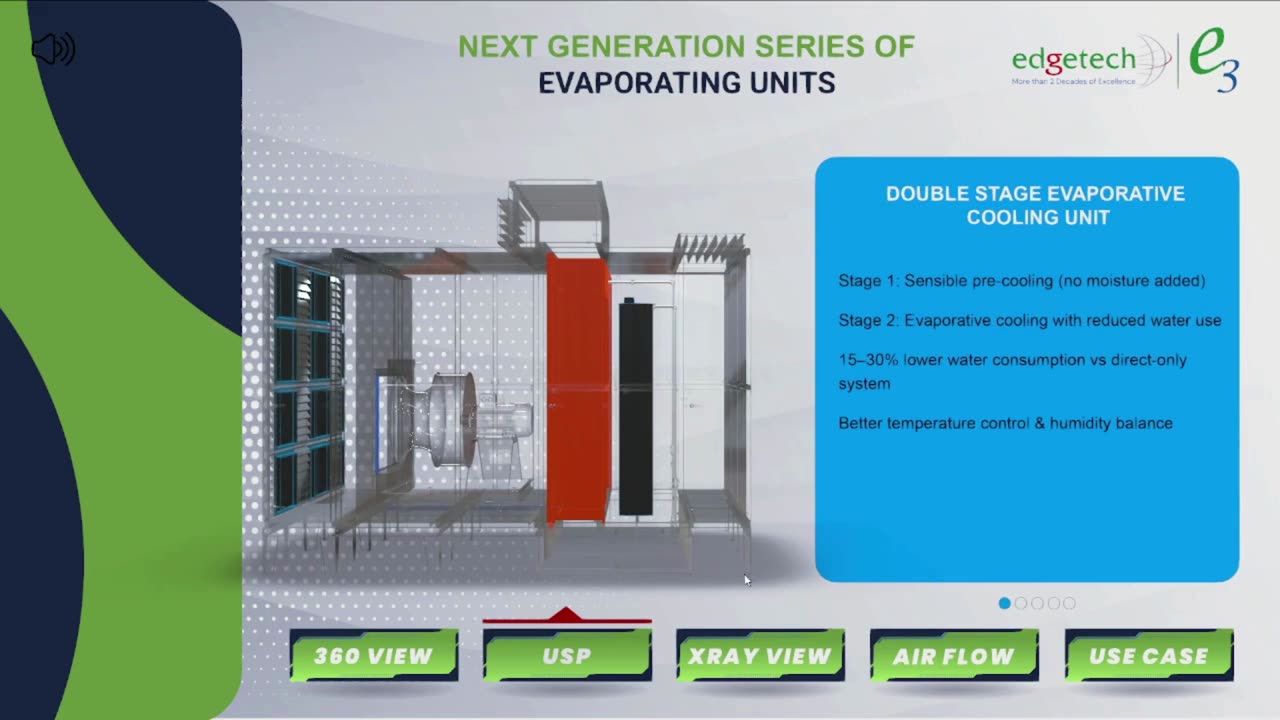
Four tools, one story at ACREX 2026: a 3D-printed AHU that comes alive in AR, a touch kiosk and a 3D film. From CAD file to show floor.
Read the case study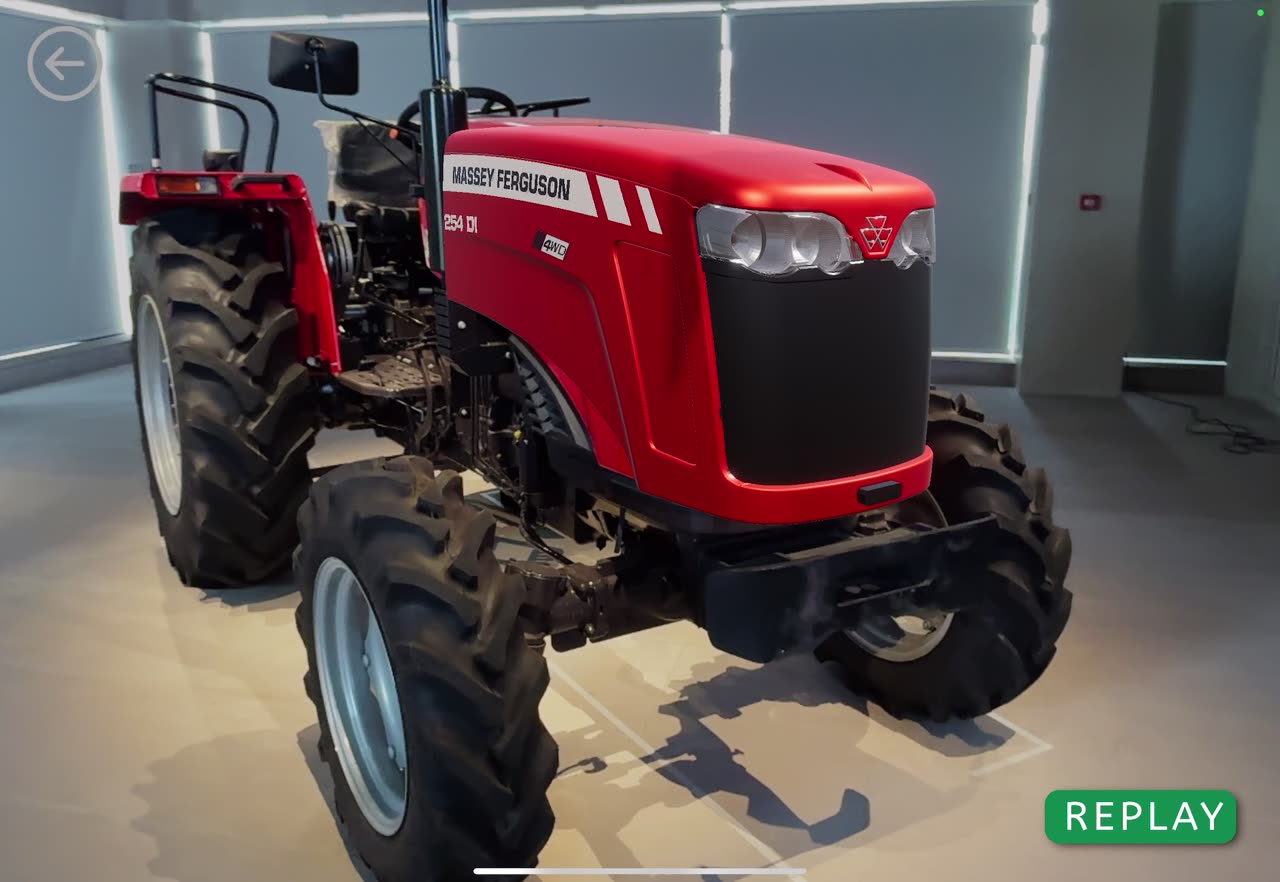
An AR-powered tractor experience center: 19 tractors and implements life-size in AR, and a 4D welcome.
Read the case study Most requested for exhibitions
 Flagship product
 Compact booths
 Heavy machinery
 Lead capture
 Remote buyers & audits
“Having our tractors in 3D, with AR stories for each model, gave our experience centre far more to show than a physical line-up ever could.”
TAFE
Read the TAFE case study
“An air handling unit is large and technical. The 3D printed model, AR and touch kiosk let visitors see inside it in a few minutes, and they kept coming back to the booth.”
Edgetech
Read the Edgetech case study
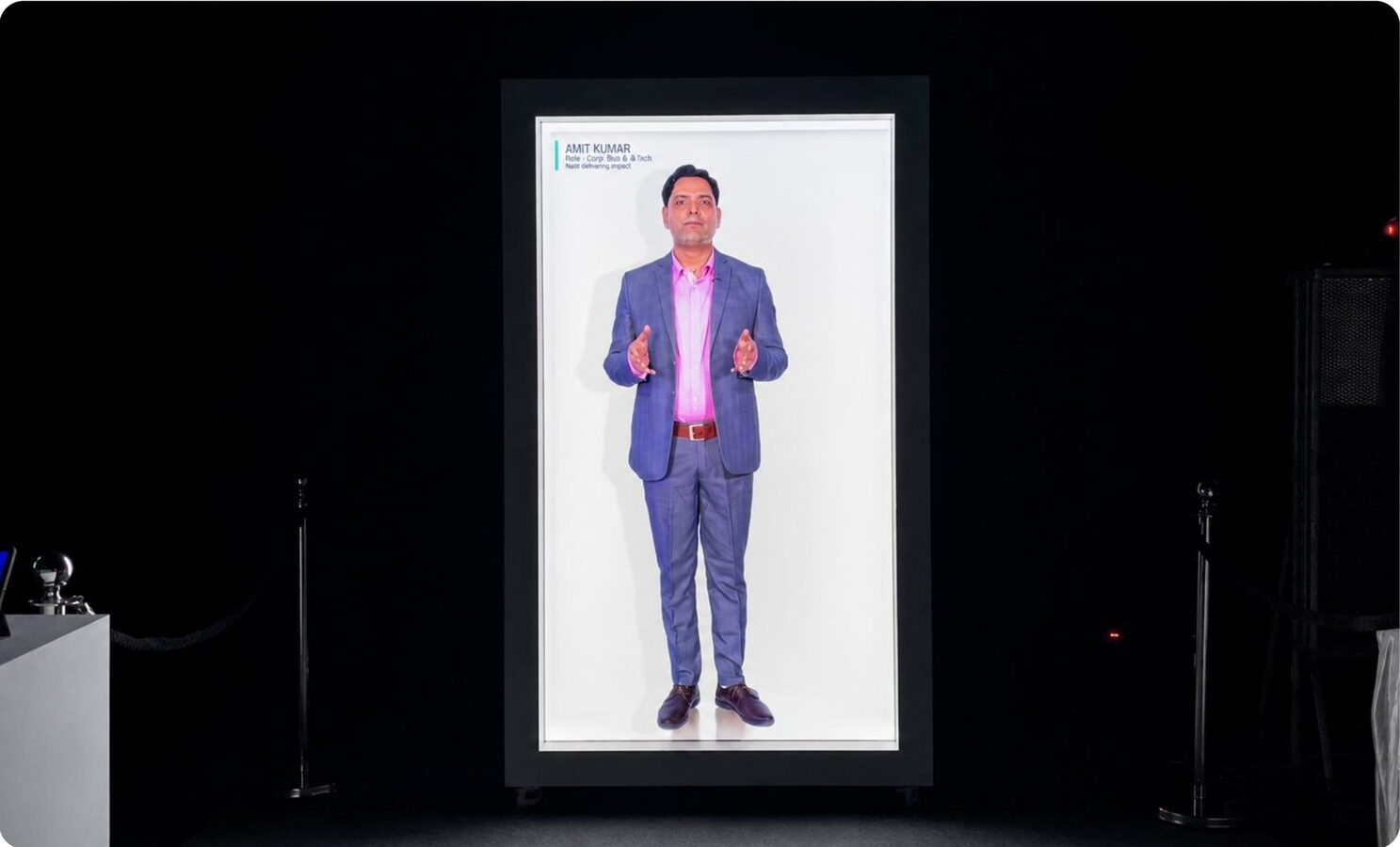
“We opened our Vendor Conference with a life-size AI avatar on HoloBox, in front of 600+ vendors. It answered from our own project records, so what people heard was specific to their work.”
Maruti Suzuki
Read the Maruti Suzuki case study
“Our operators now train on a 1:1 copy of the shop floor in VR before they touch the line. Across six plants, customer PPM came down from 329 to 100.”
Tata AutoComp
Read the Tata AutoComp case study
“We wanted our collection seen at full height without shipping every sample. On a HoloBox, a model walked our garments at true scale, in a fully lit hall, all day.”
Shahi Exports
Read the Shahi Exports case study
“A data platform is hard to make exciting on a show floor. The anamorphic wall did it: over 4,000 visitors came to our booth in two days.”
Experian
Read the Experian case study
“We had a long story to tell in the few seconds a visitor gives a booth. The L-shaped display carried our science, our people and our sustainability work in a way that made people stop in Cologne.”
PI Industries
Read the PI Industries case study
“The L-shape display linked our products to India's landmark infrastructure projects, and that story stopped visitors on a very crowded show floor.”
Gulf Oil
Read the Gulf Oil case study
“The Starflex is 24 metres long, so we could never bring it to a booth. With the touchscreen configurator, buyers build it themselves, and our sales team now uses it as their main way of explaining the machine.”
NBG
Read the NBG case study
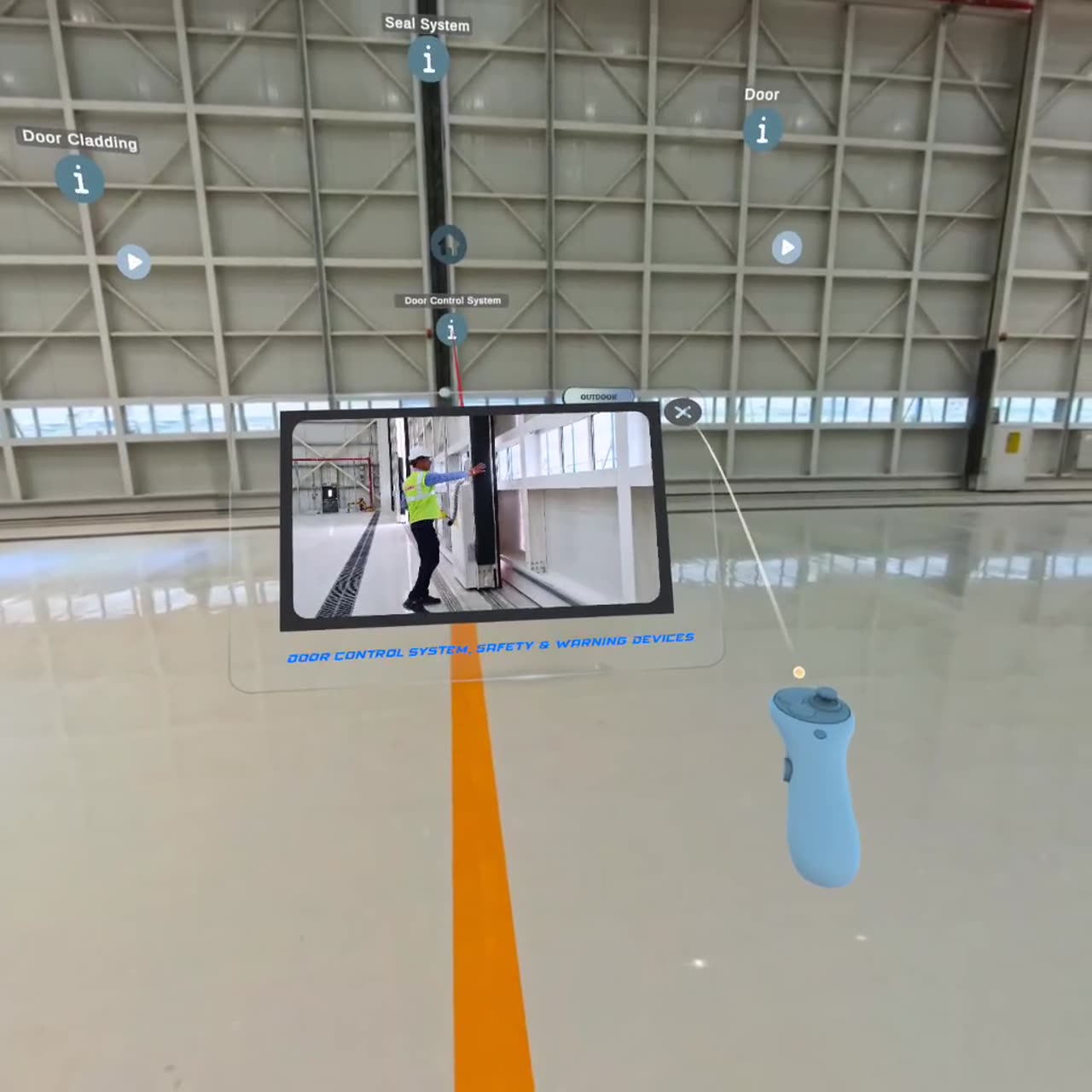
“You cannot photograph the scale of a hangar door. With 360° VR, buyers stand inside our installations from the booth, and we use the same experience at every show.”
Gandhi Automation
Read the Gandhi Automation case study
“We took our Dojo principles out of the slides. In one workshop, our people learned by doing, across nine experiences in AR and VR.”
Spark Minda
Read the Spark Minda case study
“The holographic wall shows our partner logos floating in mid-air and blends into the Experience Centre's interiors, so it feels part of the space.”
IBM
Read the IBM case studyAugmented reality places a 3D model of your product into the real world through the camera of a phone or tablet. The viewer scans a QR code or marker, and the machine appears on the floor or table at 1:1 scale, with hotspots, animations and spec sheets.
No special equipment. The AR experience works on any modern phone or tablet, opened by scanning a QR code or marker.
Yes. Products are placed on the floor or table at 1:1 scale, so buyers can judge the size in their own space.
At exhibition booths, in dealer showrooms, at the customer's plant and in training sessions.
A 12-inch tablet for visitors to explore the AR models, a large smart TV and basic booth fabrication. Edgetech used AR to show its AHU units at ACREX 2026, and businesses can try AR product visualisation at the Metaverse911 Experience Center in Noida before they invest.