

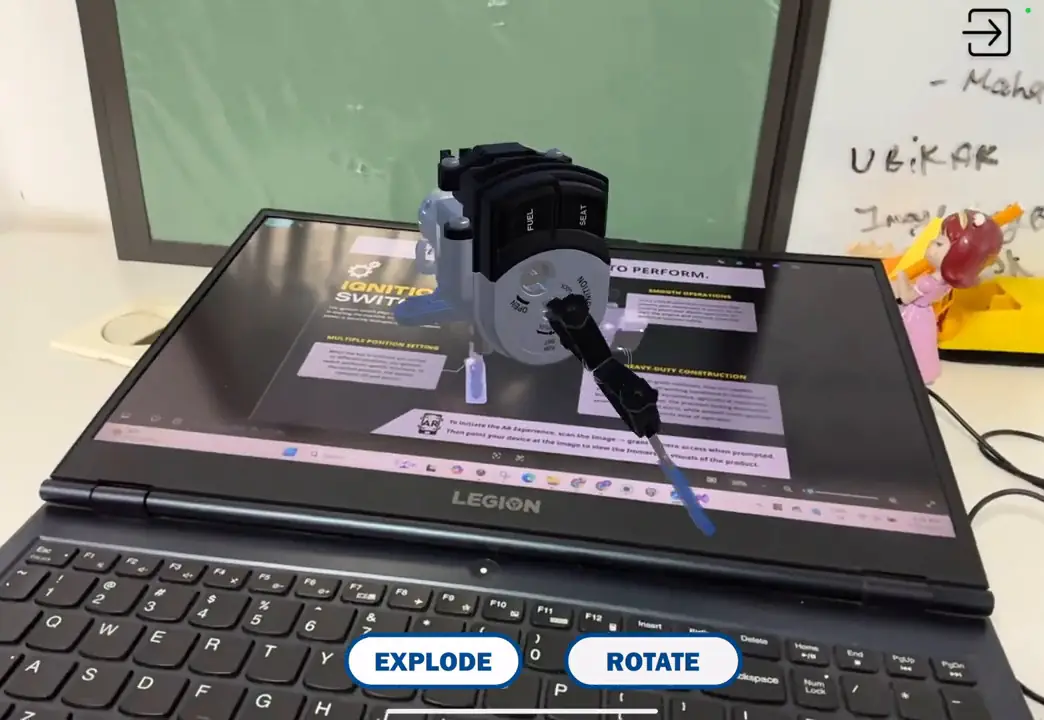
This article follows a LinkedIn event we hosted with industry leaders on immersive training solutions for manufacturing. To set one up in your plant, see our dojo training room page.
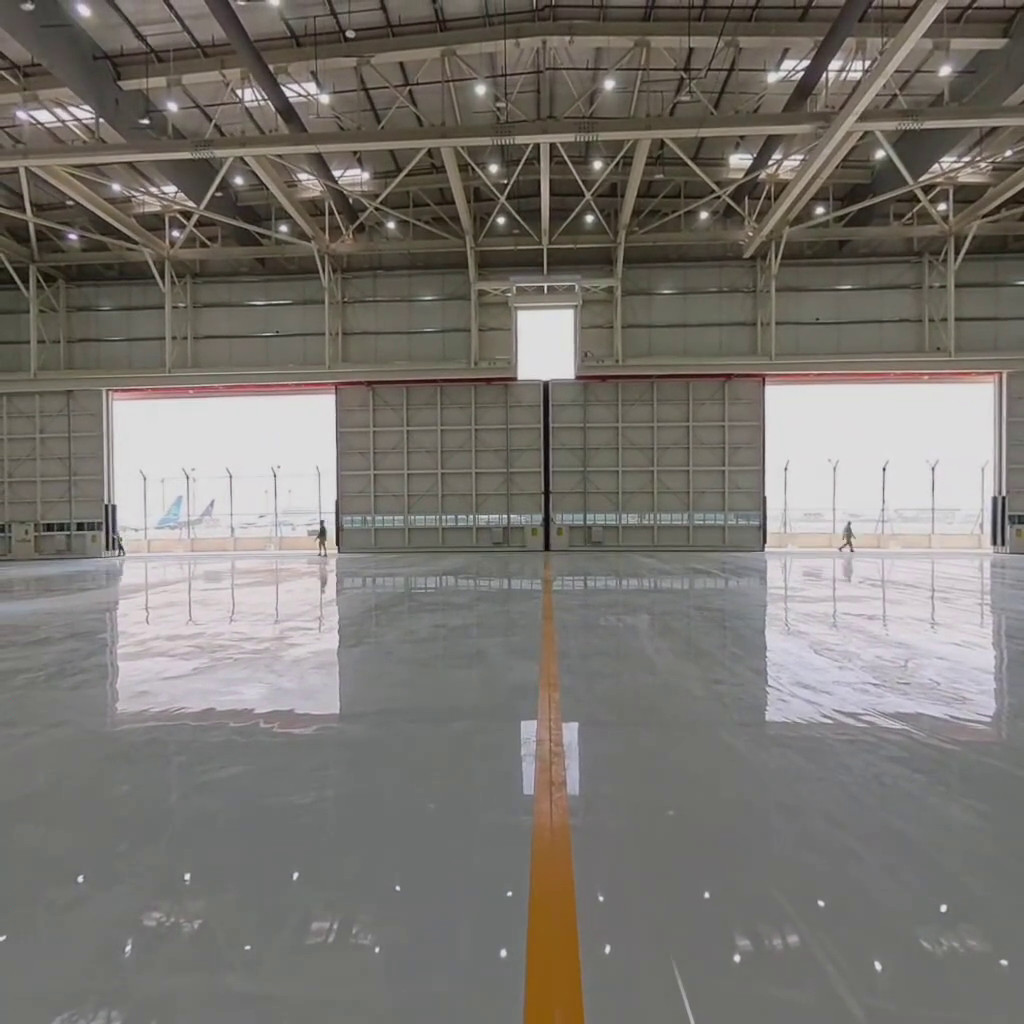
Why traditional dojo training is hitting its limits
Classroom and dojo training have served manufacturers well, but they are struggling to keep pace with Industry 4.0. Two problems come up repeatedly.
The first is space. A physical dojo can only hold so many machines and stations. The second is realism. Recreating real shop-floor scenarios, especially hazardous ones, is complicated to organise and sometimes impossible to do safely.
The idea: a virtual dojo room
Immersive technology closes the gap between theory and practice. A virtual dojo room is a training environment where trainees build skills in a virtual version of the shop floor, without space limits and without real-world risk.
Realistic simulation
The environment closely mirrors the shop floor, so trainees learn in conditions that match the real job.
No space limits
Trainees can explore and practise on equipment and settings that would never fit into a physical training room.
Fewer errors and safer practice
Trainees can make mistakes and learn from them without real consequences. Hazardous scenarios can be practised safely, so employees are better prepared for real safety challenges.
The same approach works beyond manufacturing. Aviation teams use it to master critical skills.
Where the return on investment comes from
The first question most organisations ask is about return on investment. The returns come from several places.
- Shorter learning curves: faster skill development and lower training risk lead to lower operating costs and faster time to competency.
- Training data: immersive training records how each trainee performs. The analytics show where to improve the programme.
- Training built for each role: modules can be matched to specific roles, skills and objectives, so the spend goes where the business needs it.
- The same quality for everyone: every trainee gets the same training, which keeps skills consistent across the workforce.
- Predictive maintenance: training that covers predictive maintenance helps teams anticipate and prevent equipment problems, which means fewer unplanned shutdowns, lower repair costs and longer equipment life.
How to apply it in your plant
Start with the skills your physical dojo struggles to cover: tasks that need equipment you cannot spare, or scenarios too dangerous to stage. Build those as virtual modules first.
Use the training data from day one. It tells you which steps trainees find hardest and where the module or the process needs attention. Then extend the virtual dojo to other lines and plants, so every site trains to the same standard.
Next step
Our Digital Dojo is a modular VR training center that sits inside your plant. Talk to our team to see how it could work for your lines.
First published on the Metaverse911 blog.


Frequently asked questions
What is a virtual dojo room in manufacturing training?
A virtual dojo room is a training environment where manufacturing trainees build skills in a virtual version of the shop floor. It closely mirrors real working conditions, has no floor space limits, and lets trainees practise hazardous scenarios and make mistakes without real-world risk. It closes the gap between theory and practice that physical dojo rooms struggle to bridge.
How should a plant start applying a virtual dojo?
A plant should start a virtual dojo with the skills its physical dojo struggles to cover, such as tasks that need equipment it cannot spare or scenarios too dangerous to stage. Build those as virtual modules first, use the training data from day one to find the hardest steps, then extend the virtual dojo to other lines and plants so every site trains to the same standard.