
The challenge for pharma and medical companies
Pharma and medical device companies have to train staff on complex procedures and equipment, explain invisible science to doctors and patients, and sell heavy machines that cannot be carried to every customer. Brochures, slide decks and printed catalogues do these jobs poorly.
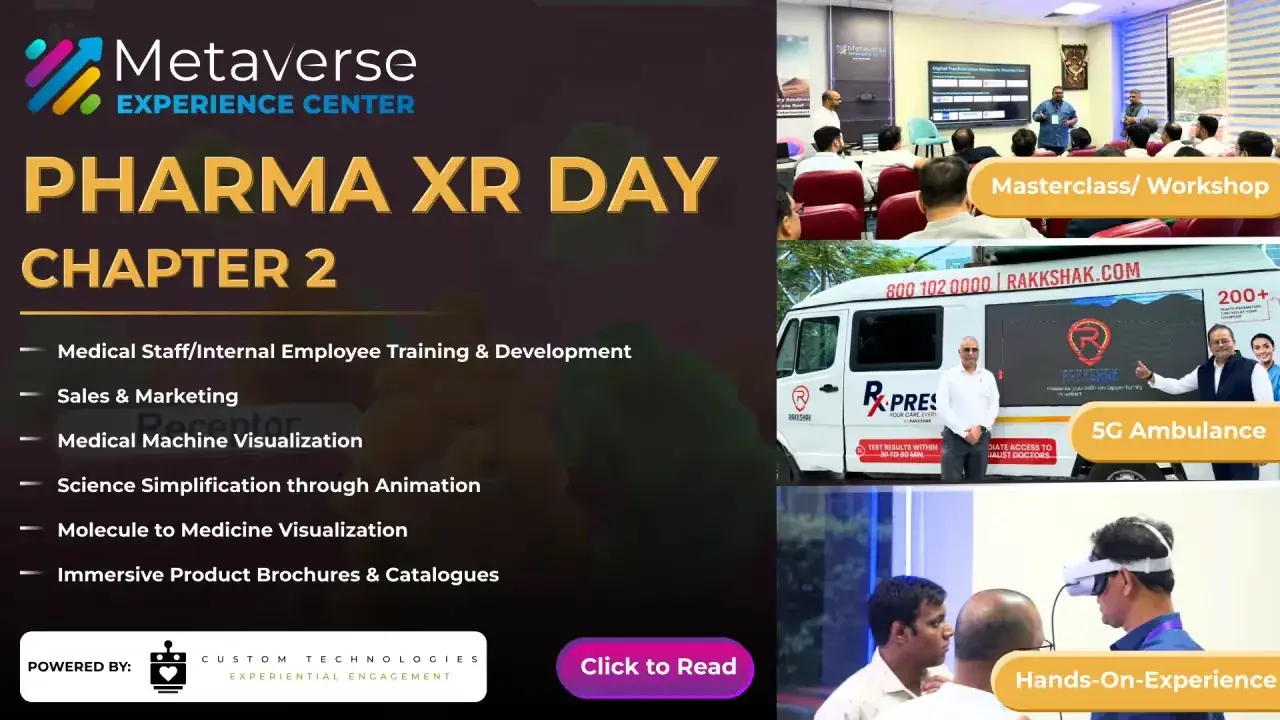
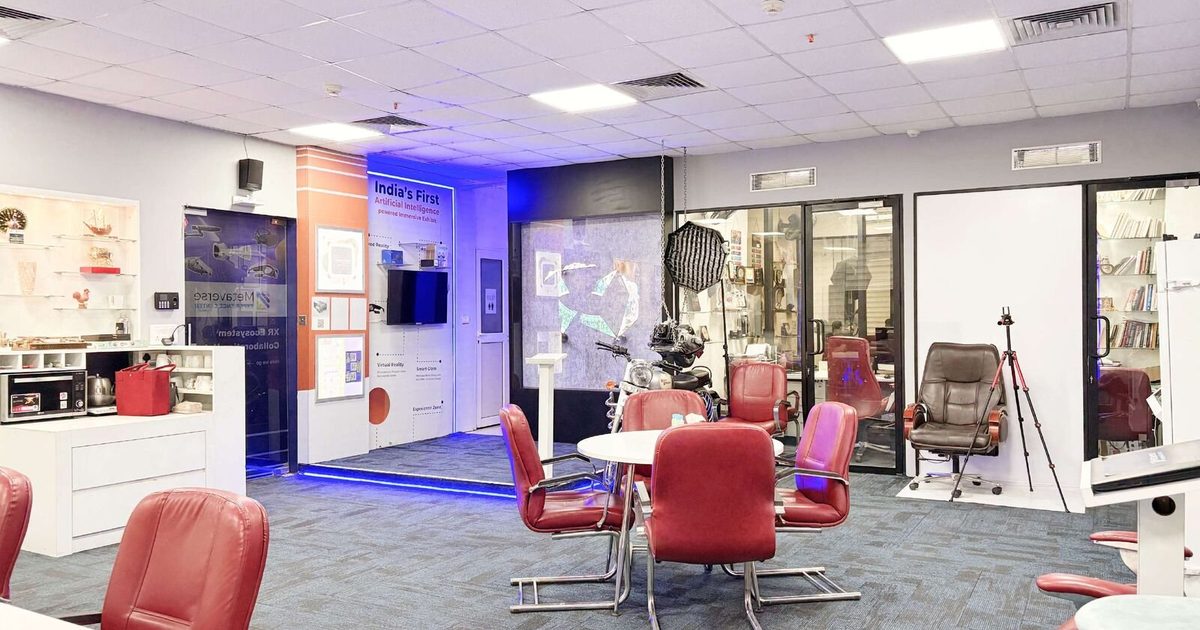
Pharma XR Day, held at our Metaverse Experience Center, was designed to show medical practitioners, surgeons and pharma leaders what immersive technology can do about it. This was the second edition.
What happened at Pharma XR Day Chapter 2
More than 20 leaders from the medical and pharma sectors, from companies including Roche, Alkem Laboratories and Medtronic, spent a five-hour conference at the center. They tried more than 18 XR solutions, including interactive demos of virtual drug trials and AR applications for marketing and training, and took part in workshops and solution selection sessions.
Our partner Custom Technologies spent more than two months curating the healthcare use cases. Their 10+ healthcare solutions covered training, sales and marketing, product visualisation, patient care and surgical planning, with support for VR and MR headsets.
The agenda
- Keynote by Vijay Sethi: the Chairman and Chief Mentor of MentorKart gave a 15-minute talk on how the medical and pharma industry is adopting digital technology.
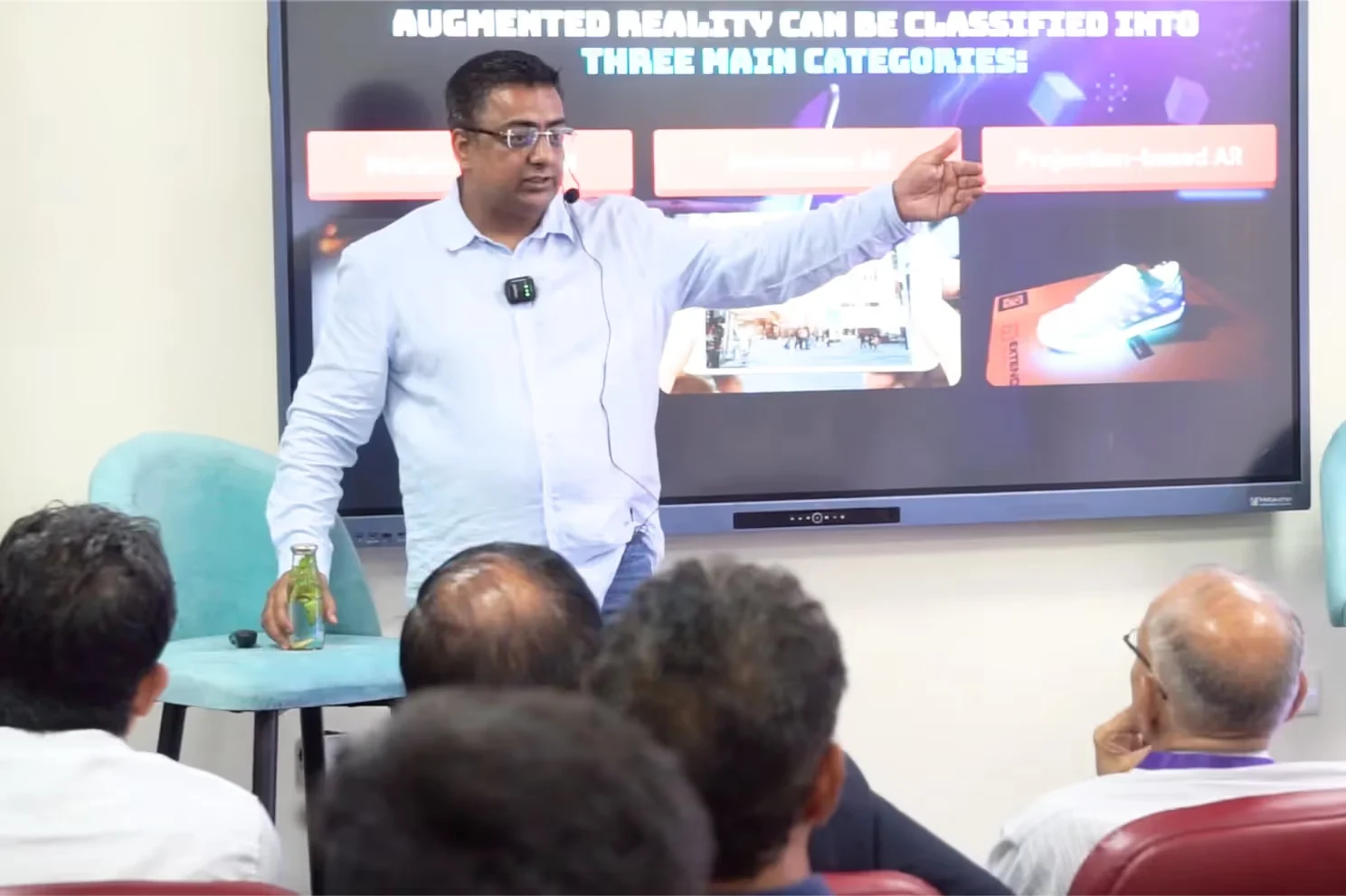
- Talk by Rrahul Sethi: a 40-minute session on how AR, VR, virtual worlds and digital twins apply in pharma.
- Workshop by Custom Technologies: a 40-minute session by Saurabh Sameer, Amit Prajapati and Cebin Varghese on current challenges in the sector, focused on three solutions: medical machine selling, medical training, and sales and marketing.
- Rohit Verma's XR Playbook: ROI-driven strategies and the practical benefits of XR, and how it can address challenges inside attendees' organisations.
- Use-case brainstorming and XR open house: led by P.K. Zalpuri and Prof. Dr S. B. Bhattacharyya, with hands-on AR use cases in medicine, VR medical machine onboarding, visualisation of medicine effects and molecular studies.
Five ways immersive technology helps pharma companies
1. Training employees
VR gives a realistic environment to practise and learn from experience.
- VR pharma training
- VR emergency training
- Medical equipment onboarding
2. Sales and marketing
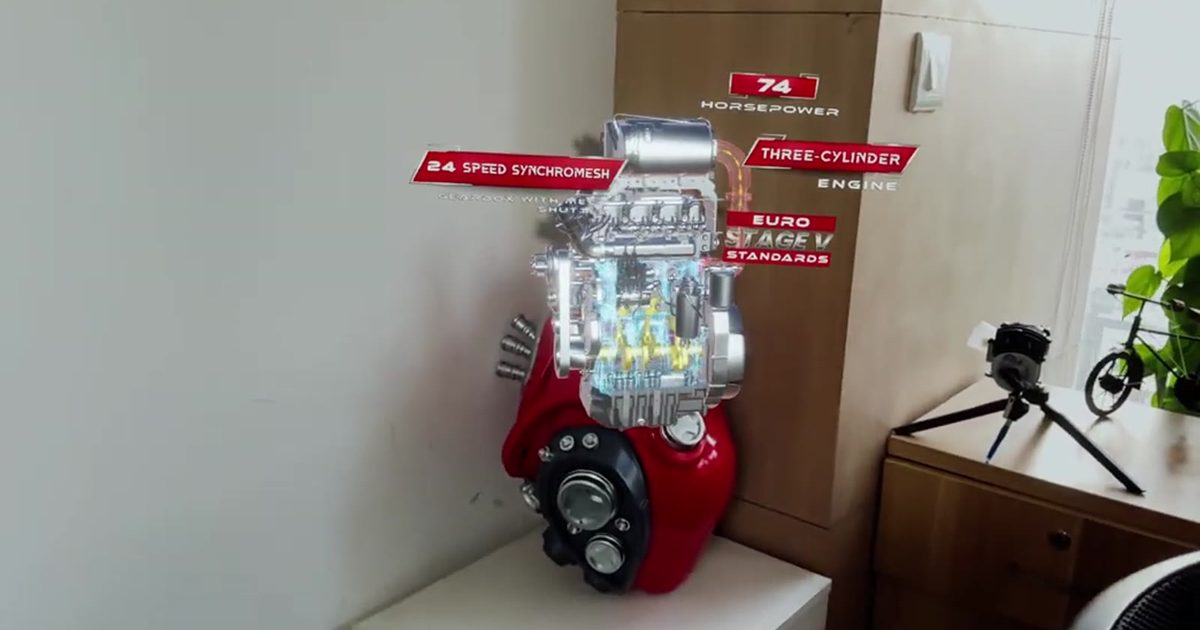
VR and AR let sales teams demonstrate how a product or device works and what its specifications are, in 3D, and show the full catalogue without carrying it.
- Full product catalogue in VR
- Immersive brochures and catalogues
- Medical device and pharma product visualisation
- Interactive product packaging
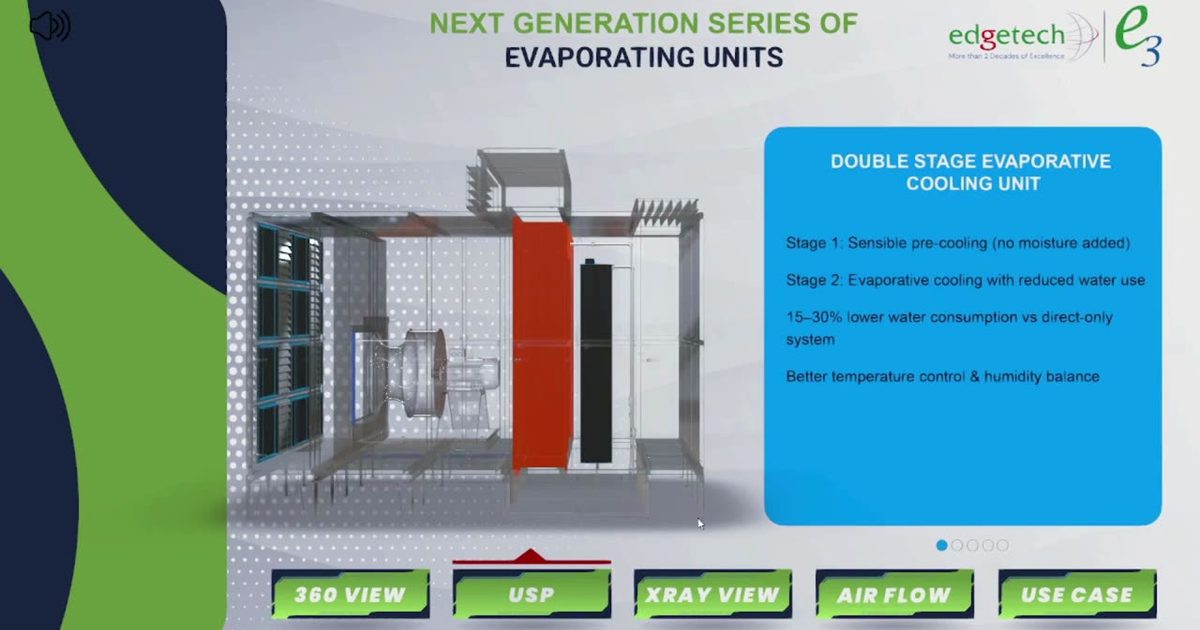
3. Medical machine visualisation
Heavy medical machines and devices can be shown in AR and VR instead of in printed brochures.
- Machine onboarding in VR and AR
- Web-based 3D product catalogue
- Interactive storytelling and product training
4. Explaining science through animation
Detailed, accurate visuals explain how a medicine works in the body. They can be delivered as web-based science videos or VR experiences.
- Science videos on biological functions
- Scripted visual stories of biology and chemistry
- Interactive medical animation and gamified learning
5. Molecule-to-medicine visualisation
Interactive videos or immersive visualisations explain a new drug and how it works, so doctors and patients understand it and feel confident about it.
- Molecule-to-drug visualisation
- Animated explainer videos
- Visualisation of benefits and side effects
How to apply it
Pick the job that costs you most today. If it is training on new equipment, start with a VR onboarding module. If sales teams struggle to show large machines, start with a 3D catalogue or VR machine demo. If doctors need to understand a new drug, start with a molecule-to-medicine animation. Trying several options side by side, as guests did at Pharma XR Day, makes the choice much easier.
Next step
Book a visit to our Experience Center in Noida to try XR solutions for pharma manufacturers, or talk to our team about your training or sales challenge.
First published on the Metaverse911 blog.
Frequently asked questions
How can VR and AR help pharma and medical device companies?
VR and AR help pharma and medical device companies in five main areas: training employees, sales and marketing, medical machine visualisation, explaining science through animation, and molecule-to-medicine visualisation. For example, VR can train staff on equipment, AR can show heavy machines in place of printed brochures, and animations can explain how a medicine works in the body.