
What it is
Virtual reality (VR) is an immersive technology that simulates a three-dimensional environment. Users step into a computer-generated world and interact with it, and the experience can feel lifelike enough to engage several senses.
How it works
The user wears a VR headset, often with controllers or other sensory devices. The headset replaces their view of the room with the virtual environment and tracks their movement, so the scene responds as they look and move around. Devices range from high-end standalone and PC headsets to simpler smartphone-based VR.
For a business, VR offers:
- Training: realistic practice that supports faster learning and better retention.
- Virtual product testing: trying a product in simulation before it is built.
- Engagement: marketing and product experiences that hold attention.
- Reach: people can see products and places without travelling.
Where it is used in industry
- Training: realistic training simulations.
- Automotive design: creating and reviewing prototypes before physical production.
- Business collaboration: connecting teams in shared digital spaces.
- Military and defence: training simulations and planning.
- Sports: realistic training scenarios and performance analysis.
- Tourism and culture: virtual visits to destinations, museums and historical sites.
- Gaming and entertainment.
How we use it
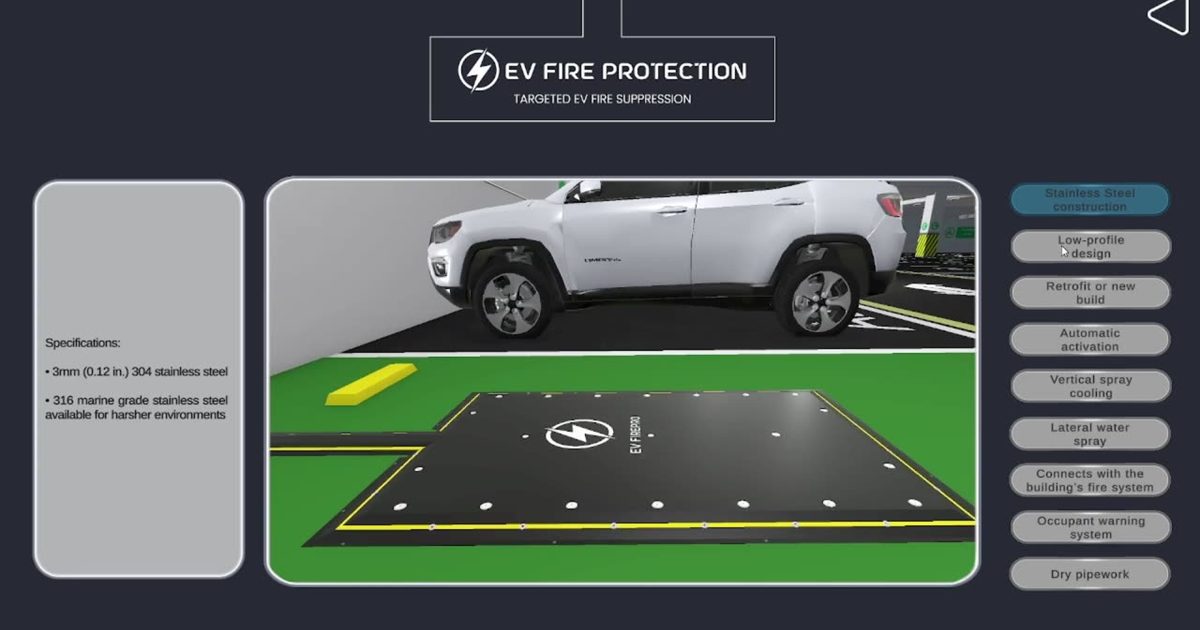
VR is at the center of our training work for manufacturers: VR machine training for operators and technicians, and the Digital Dojo, a modular VR training center inside your plant. For exhibitions, our VR and MR machine demos let buyers walk around a full-size machine in a headset.
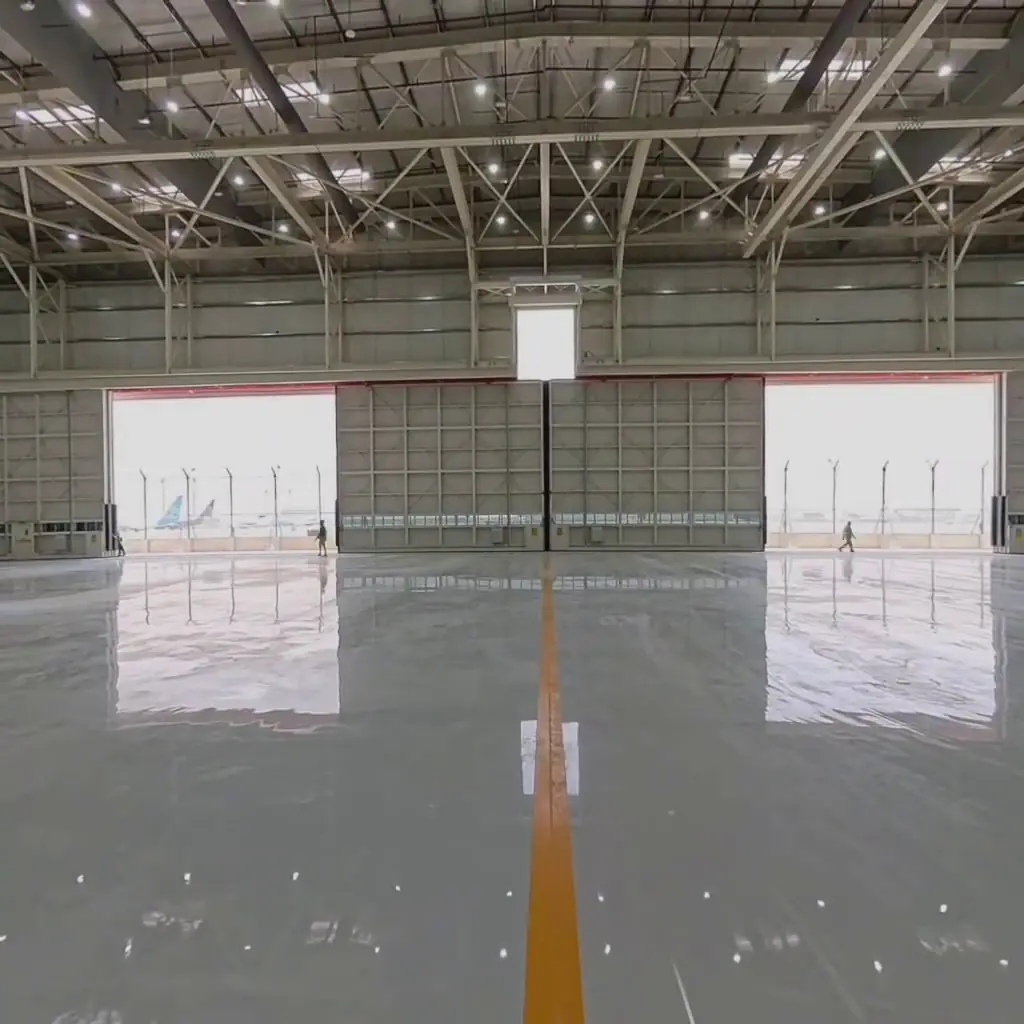
Our clients use it for training and for showing what cannot travel. Tata AutoComp trains sheet metal operators in VR across six plants, and Gandhi Automation puts buyers inside its hangar doors in 360° VR. Choose VR when someone must practise a task or walk around something at full size.
Related: VR training cost guide, Digital Dojo training room.
More technology
 Technology
What is 3D modelling? A plain guide for business
What 3D modelling is, how it works and where industry uses it, from product design and engineering to AR and VR, plus how we use 3D models in our work.
Read the explainer Technology
What is artificial intelligence? A plain guide for business
What artificial intelligence is, how machine learning, language processing and computer vision work, where industry uses AI, and how we build it into our work.
Read the explainer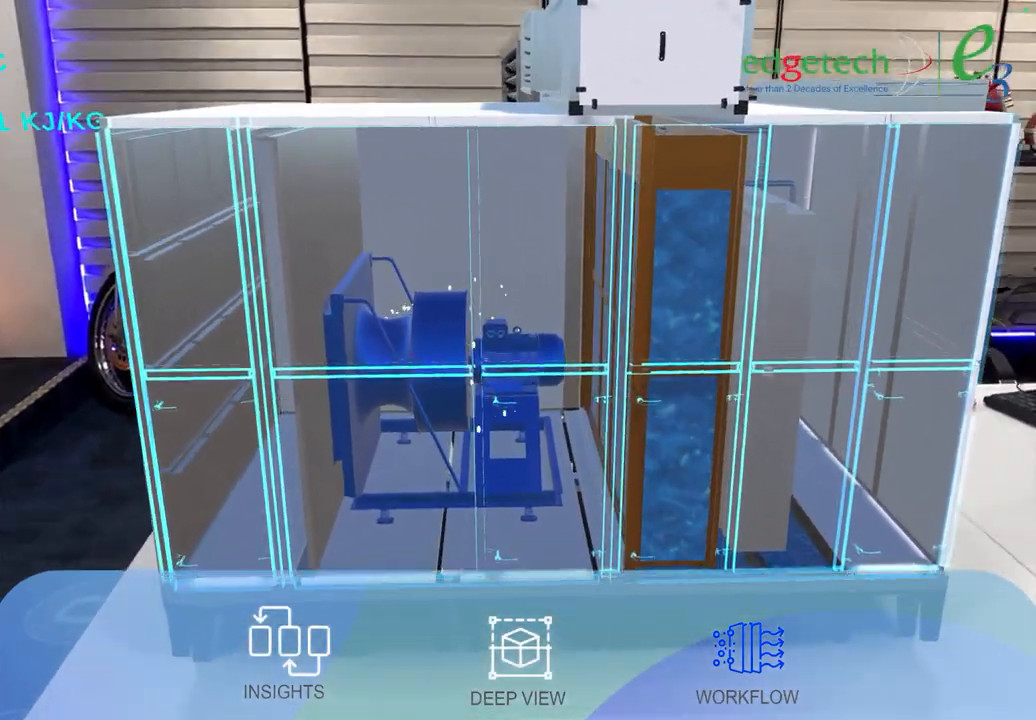 Technology
What is assisted reality? A plain guide for business
What assisted reality is, how hands-free smart glasses such as RealWear work, and where it helps in manufacturing, field service and remote assistance.
Read the explainer
Frequently asked questions
What is virtual reality?
Virtual reality (VR) is an immersive technology that simulates a three-dimensional environment. Users wear a headset to step into a computer-generated world and interact with it, and the experience can feel lifelike enough to engage several senses. Businesses use VR to train staff, test products and show machines that are too big or risky to bring along.
How does a VR headset work?
A VR headset replaces the user's view of the room with a virtual environment and tracks their movement, so the scene responds as they look and move around. It is often used with controllers or other sensory devices. VR devices range from high-end standalone and PC headsets to simpler smartphone-based VR.
What is VR and AR?
VR, or virtual reality, replaces the room around you with a computer-generated world seen through a headset. AR, or augmented reality, keeps the room in view and adds digital content to it, on a phone, a tablet or AR glasses.
What is AR, VR and MR?
AR adds digital content to the real world, VR replaces the real world with a virtual one, and MR, or mixed reality, places 3D content in the room so that virtual and real elements sit together and respond to each other.
What are the business benefits of virtual reality?
Virtual reality offers businesses realistic training that supports faster learning and better retention, virtual product testing so a product can be tried in simulation before it is built, marketing and product experiences that hold attention, and wider reach, because people can see products and places without travelling.