

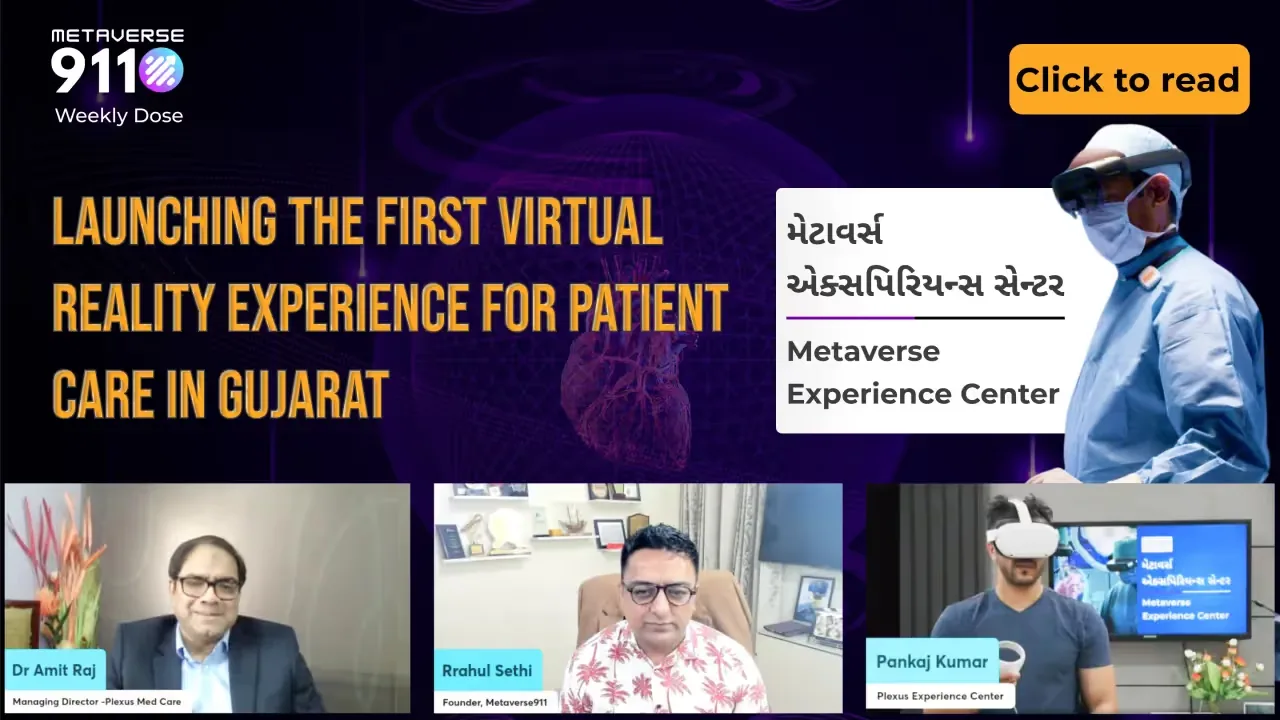
We launched the first virtual reality experience for patient care at the Plexus Metaverse Experience Center, working with Dr Amit Raj of Plexus. We shared the plan and the thinking behind it in a LinkedIn Live session on the day of the launch.
The problem: anxiety before a hospital visit
For many patients, a hospital is an unfamiliar and stressful place. They do not know the layout, the facilities or what will happen during their procedure, and that uncertainty adds to their anxiety before they even arrive.
Hospitals also need better ways to train medical students in real-life scenarios, and to help people manage stress and anxiety.
The idea: let patients see the hospital first
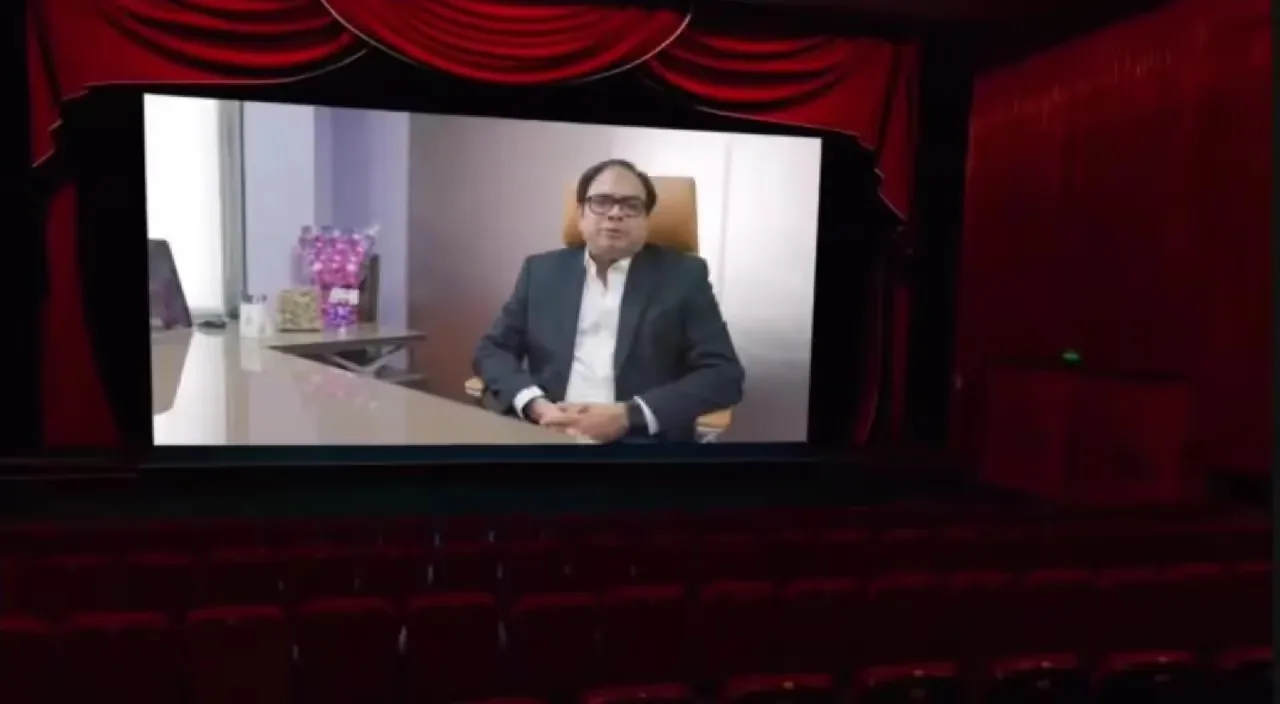
A 360-degree virtual hospital tour
The core of the Plexus VR experience is a 360-degree immersive tour of the hospital. Patients can see the environment before their visit and become familiar with the facilities, the layout and the procedures.
The aim is to build trust and a sense of safety, reduce anxiety and make patients more comfortable. In turn, Plexus aims to improve patient satisfaction and confidence in its services.
Medical training
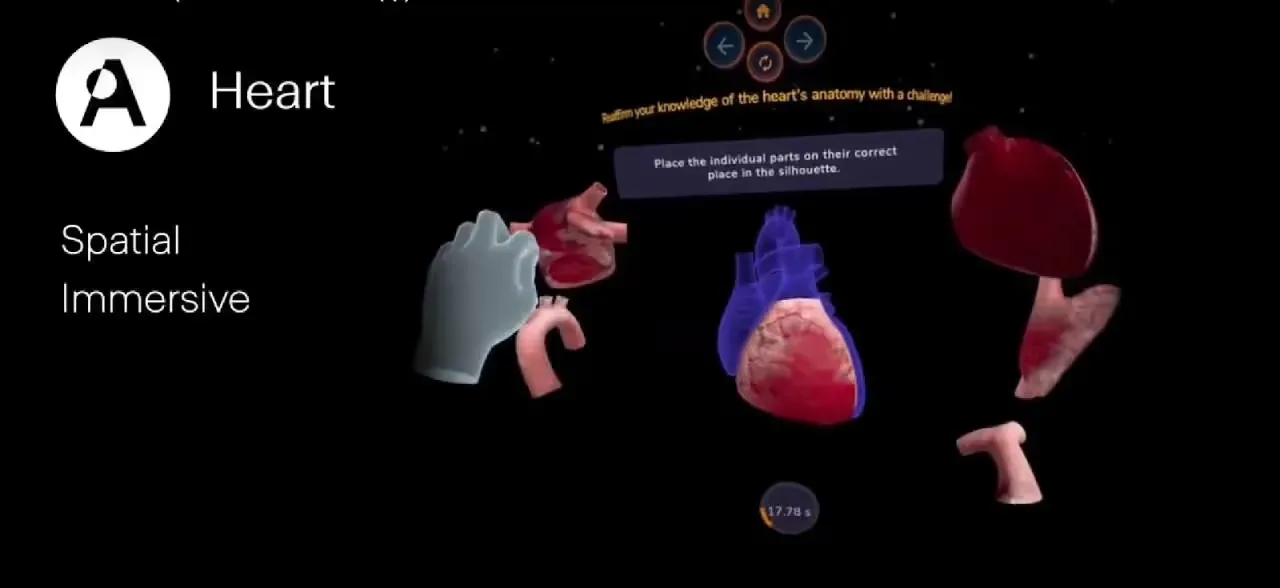
The centre gives medical students VR-based modules built on real-life simulations, so they can learn key skills in an immersive environment. IoT and artificial intelligence add to the experience by giving trainees a hands-on understanding of medical scenarios.
VR for anxiety relief and meditation
VR can provide controlled virtual environments where people practise relaxation techniques and coping strategies. It can also simulate stressful situations, such as public speaking, so people can prepare for them in a safe setting.
How to apply the idea
The principle behind the Plexus tour works well beyond healthcare: when people are nervous about a place they have not seen, show it to them first. A 360-degree tour of a plant can prepare new joiners for their first day, help visitors and auditors find their way, and let customers see a facility without travelling.
At launch, we also invited XR companies working on medical VR content to collaborate on the project, so the centre's library of modules can grow over time.
Next step
If you want a 360-degree virtual tour or VR training for a hospital, plant or facility, talk to our team.
First published on the Metaverse911 blog.
More from the blog
 Blog · Healthcare & pharma
How VR, AR and holograms are already changing healthcare
How hospitals use VR, AR and holograms for consultations, remote collaboration and nurse training, with examples from Apollo, Narayana Health and Fortis.
Read the post Blog · Healthcare & pharma
Immersive technology in a hospital: the Plexus Metaverse Experience Center
Why we are building a Metaverse Experience Center with Plexus Med Care: AR remote consultation, VR medical training and VR patient care, with global examples.
Read the post Blog · Healthcare & pharma
Pharma XR Day Chapter 2: how pharma leaders are using VR and AR
At Pharma XR Day Chapter 2, 20+ leaders from firms such as Roche, Alkem and Medtronic tried 18+ XR solutions for pharma training, sales and science content.
Read the post
Frequently asked questions
What is the VR patient care experience at the Plexus Metaverse Experience Center?
The VR patient care experience at the Plexus Metaverse Experience Center is Gujarat's first virtual reality experience for patient care, launched by Metaverse911 with Dr Amit Raj of Plexus. It lets patients take a 360-degree virtual tour of the hospital before their visit, and also supports VR medical training and VR for anxiety relief and meditation.
How does a 360-degree virtual hospital tour reduce patient anxiety?
A 360-degree virtual hospital tour lets patients see the hospital before their visit and become familiar with its facilities, layout and procedures. Much patient anxiety comes from not knowing the place or what will happen. The Plexus tour aims to build trust and a sense of safety, reduce anxiety and improve patient satisfaction and confidence in the hospital's services.
How is VR used for medical training at the Plexus Metaverse Experience Center?
The Plexus Metaverse Experience Center gives medical students VR-based modules built on real-life simulations, so they can learn key skills in an immersive environment. IoT and artificial intelligence add to the experience by giving trainees a hands-on understanding of medical scenarios. At launch, XR companies working on medical VR content were invited to collaborate so the module library can grow.
Can VR help people manage stress, anxiety and meditation?
VR can provide controlled virtual environments where people practise relaxation techniques and coping strategies, which is one of the uses of the Plexus VR patient care experience. VR can also simulate stressful situations, such as public speaking, so people can prepare for them in a safe setting before facing them in real life.
Can a 360-degree virtual tour work for a manufacturing plant as well as a hospital?
The principle behind the Plexus hospital tour works beyond healthcare: when people are nervous about a place they have not seen, show it to them first. A 360-degree tour of a plant can prepare new joiners for their first day, help visitors and auditors find their way, and let customers see a facility without travelling. Metaverse911 can discuss such tours with your team.